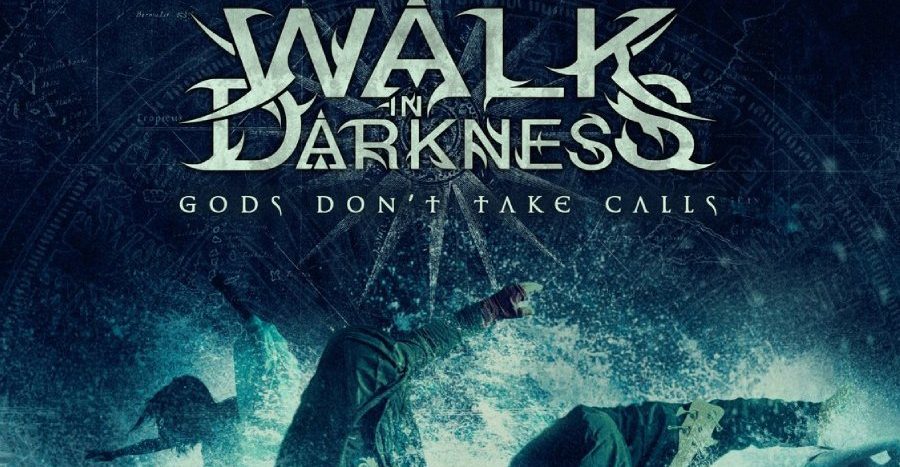
Self-Released
Release Date: December 12th, 2025
Genre: Symphonic/Gothic Metal
Links: https://www.walkindarkness.com/wid/
Line Up:
Nicoletta Rosellini – Vocals
Shaman – Guitars
Monk Key – Bass
Arcanus – Drums
Tracklist:
1. Nico Rising
2. Across the Oceans
3. No Banners, No Glory
4. Chasing the Horizon
5. Freedom
6. Mother
7. Towards Chang’an
8. You Who Dream
9. Last Siren (Revisited)
Some albums are less about individual tracks or flashy moments, and more about creating a rich overall experience. Such albums often work better played in full than track by track, as each track is part of a whole and without listening to everything together, it often doesn’t have the full intended effect. Gothic metal is a genre where that often happens, as it’s usually more about the overall atmosphere and tone than catchiness or intensity. Which brings me to Gods Don’t Take Calls, the fifth full-length release from Italian symphonic/gothic metal band Walk in Darkness. It’s an album which requires great focus and concentration to fully appreciate. On my first listen, I was somewhat distracted, and while I already found the album enjoyable, it never fully opened up until I gave it my undivided attention. It’s an album that flows smoothly from beginning to end, with occasional highlights, but it’s very much not a “singles” kind of album, and more intended to be a cohesive experience from start to finish.
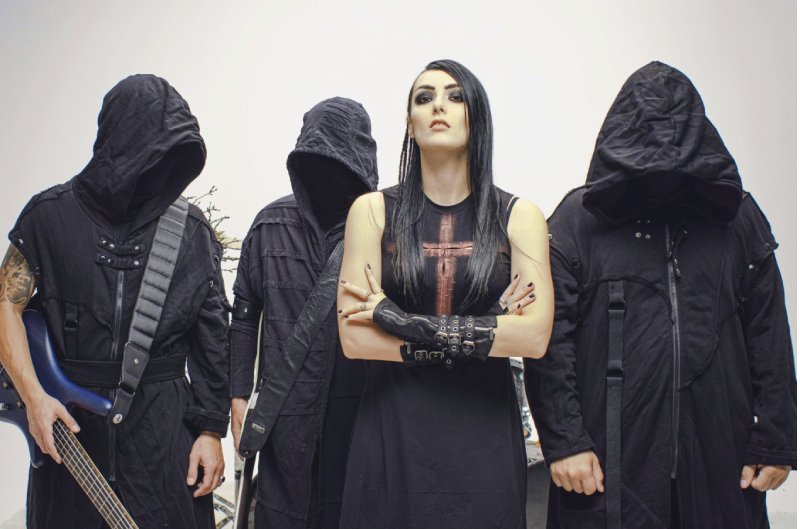
Walk in Darkness have been around for over 10 years now, and were founded by guitarist/main songwriter Shaman, and vocalist Nicoletta Rosellini. I was curious when I saw the latter was involved, as I greatly enjoyed her work with power metal bands Kalidia and Alterium, so I was curious to hear her on a more laid-back album. Needless to say, she’s the star of the show here, with her soft, yet powerful voice on full display throughout the album. Her delivery is super smooth, and she sings softly the majority of the time, but she does get to have some big moments, and her voice is absolutely beautiful on some of the choruses. Curiously, Rosellini is the only member to fully reveal themselves, with the musicians all using code names, and wearing masks in videos and on tour, while Rosellini remains unmasked. Apparently, this is meant to represent the essence of humanity over individuality. I don’t fully get it, but regardless, it does make sense, as Rosellini’s voice is easily identifiable, while the rest of the band play more of a supporting role, for the most part.
Gods Don’t Take Calls is a concept album of sorts, revolving around the idea of humanity being stuck in a ruined world, with no hope of rescue from gods or any kind of outside beings, and instead having to rely on their own spirituality and perseverance to forge a new future. I didn’t pay much attention to the lyrics, but they do seem to play a big role, and there are some very memorable lines on a few tracks. More than anything else, though, I could feel the emotion coming from the music and vocals, which is one of the album’s biggest strengths. As I mentioned before, it’s very much about the overall feeling, and less about individual tracks. There are standout moments throughout the album, and even a few tracks which stand out, but even those fit in perfectly into the overall picture and work best when played together.
Suffice to say, this album doesn’t have a ton of variety, as almost every track follows a similar pattern: The tempo is generally slow and subdued, and while guitars are often heavy, they tend to play more of a supporting role, almost blending into the background and becoming more of a backdrop for the vocals and symphonic elements, the way keyboards often do on a more guitar-driven album. There are moments where guitars take over, such as some sections with very chunky riffs and some excellent guitar solos, but most of the time they play a secondary role, with keys, symphonic elements and vocals dominating. Drums are often subdued, though Arcanus does a great job throughout, with him and bassist Monk Key doing a great job of giving the tracks some unique rhythms and grooves. Most tracks alternate between soft and heavy passages, with some heavy instrumental passages and occasional harsh vocals, paired up with light verses, melodic choruses and some very beautiful vocal passages. It’s hard to call any of the tracks full-on ballads, as they all have a bit of heaviness, but at the same time, they often are slow enough and have extended soft portions, so they end up feeling pretty close to ballads. Again, that’s fairly typical for gothic metal, so it’s no surprise. Production is solid, with everything mixed in a balanced way, and the guitars have a strong kick, without becoming overpowering.
Due to the nature of the album, I won’t go into as much detail as usual on every track, instead going into full detail for a few, and briefly summarizing the rest. First up, we have the opener “Nico Rising”, a fairly catchy, upbeat track, which is the most immediately engaging track on the album. It opens up with some light electronic keys, before guitars take over for a quick tease at the chorus, which moves at a slightly faster pace than anything else on the album, and it’s also lighter and catchier than most on the album. The verses are soft and calm, moving at a more subdued pace and allowing Rosellini to take full control with her voice. There’s an excellent bridge in the middle, followed by a beautiful guitar solo. Next is “Across the Oceans”, which is more indicative of the overall sound. It’s a slow-paced, more subdued track, with very soft verses and a slightly heavier chorus, with very powerful vocals and lyrics. There’s some nice backing vocals towards the end, as well as some heavy riffs on and off, though overall it’s more of a mood-setting track.
The album fully settles into its formula with “No Banners, No Glory”, a very prototypical gothic metal track. It opens up with some light growls and soft lead vocals, while the guitars have a sinister tone. There’s some guest vocals performed by Clara Sorace. I’m not sure of everything she does, but there’s a wide variety of vocals on the track, including some slightly softer than normal vocals on one of the verses, as well as some epic operatic vocals towards the end, which are the clear highlight of the track. My favorite track on the album is “Chasing the Horizon”, a more explosive and dynamic track, while still largely following the same formula as the previous two tracks, with a nice mix of soft and heavy passages. It storms out of the gate with chunky riffs and some intense growls from guest vocalist Emiliano Pasquinelli. That’s followed by a melodic, yet tense chorus, where Rosellini shines, along with more heavy guitar work. The growls are used sporadically, but add an extra dose of energy whenever they appear. There’s some very soft passages, especially during the verses, which allow Rosellini to shine, though it never takes too long for the guitars to kick back in again. It’s one of the more memorable individual tracks on the album, while still fitting in perfectly with the rest of the album.
From this point on, the tracks start blending together a lot, with most tracks having extended softer portions, where it almost feels like a ballad, along with occasional bursts of heaviness, and some great choruses. “Freedom” has some rather interesting supporting male vocals early on, which almost sound spoken, as well as a nice, atmospheric chorus, but the highlight of the track comes near the end, with some epic operatic vocals, which absolutely steal the show. “Mother” opens up with an extended instrumental section, with a nice mix of narration, some light acoustic guitar work and a beautiful guitar solo. It’s probably the closest thing the album has to a traditional ballad, staying soft for most of its duration, with guitars largely playing a secondary role, while Rosellini dominates, with a beautiful, emotionally charged vocal performance.
Next is “Towards Chang’an”, which starts off with a light, acoustic guitar-driven passage, and it stays calm early on, largely leaning on vocals and drums, before the guitars fully kick in around a minute or so in. The chorus is the highlight, as it’s absolutely beautiful, and has some of the strongest vocal melodies on the album. There’s some excellent backing vocals later on, which further enhance the chorus. The last new track is “You Who Dream”, which starts out with some heavy guitar work and light growls, before leading into a fairly subdued, yet beautiful and memorable chorus. It’s another track which nicely blends heavy and soft passages, with the verses being very calm and quite beautiful, while the chorus is a bit busier. There’s an excellent bridge section, with some amazing vocal melodies, as well as some nice guitar work, which gradually gets heavier as the section goes on, leading into a brief growl section. Closing out the album is “Last Siren (Revisited)”, a re-recording of a track from the band’s debut, In the Shadow of Things. It’s a much more polished version of the track, which maintains the melodies, lyrics and riffs of the original, while modifying it just a bit, to make it fit more in line with the new album. The chorus is the highlight, with some excellent vocals, and the lyrics are also excellent.
I wasn’t sure what to expect from Gods Don’t Take Calls, as it was my first experience with Walk in Darkness. All I knew going in was that I would love the lead vocals, as a fan of Nicoletta Rosellini. However, while she’s the clear highlight of the album, the rest of the band also does a great job. It’s a very atmospheric, moody album, more about the overall tone and experience than about flashiness or individual tracks, though there are still plenty of memorable moments, of course. There’s a nice mix of heavy and calm passages, with occasional growls and bursts of heaviness, but for the most part it’s more a subdued album, focused largely on vocals and lyrics. Fans of the band are sure to be impressed, while symphonic/gothic metal fans looking for a cohesive album with a perfect flow, as well as some excellent vocals, would be well advised to give the album a shot, as it’s a great album overall.
Ratings: 8/10
Written by: Travis Green
My Global Mind – Staff Writer
Travis Green is a Canadian based writer for My Global Mind, with a particular passion for power metal, as well as an interest metal in all its forms.
About Author