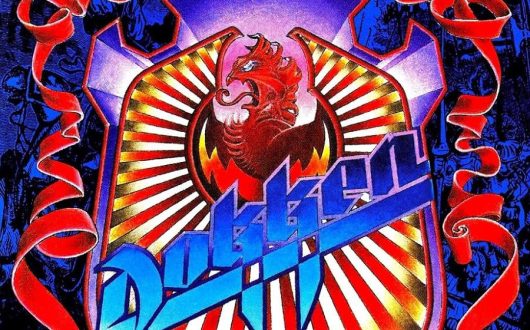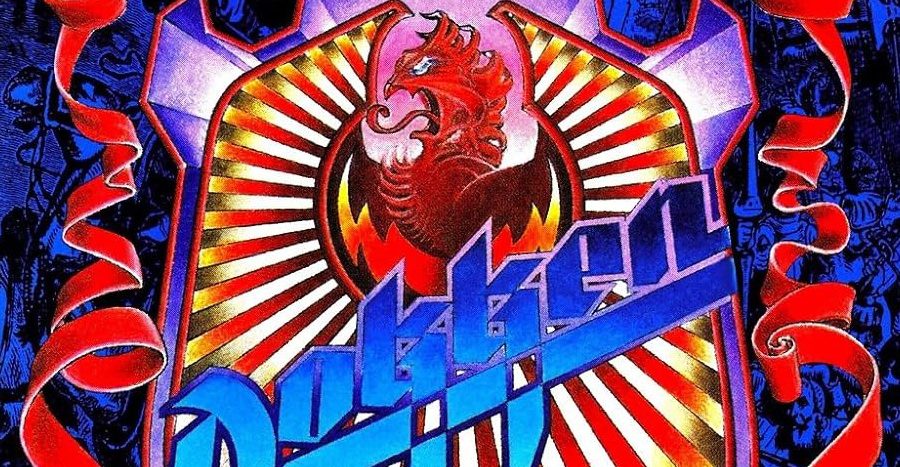
Dokken | Elektra Records | November 2, 1987
Line Up:
Don Dokken – Vocals George Lynch – Guitars Jeff Pilson – Bass, Keyboards, Backing Vocals Mick Brown – Drums, Backing Vocals
Production: Neil Kernon – Producer, Engineer Michael Wagener – Producer (additional tracks) Recorded: Amigo Studios, North Hollywood, California | 1987
Tracklist:
Kiss of Death (5:55)
Prisoner (4:00)
Night by Night (3:35)
Standing in the Shadows (3:47)
Heaven Sent (5:18)
Mr. Scary (4:28)
So Many Tears (4:39)
Burning Like a Flame (4:45)
Lost Behind the Wall (5:08)
Stop Fighting Love (4:12)
Cry of the Gypsy (3:50)
Sleepless Nights (4:18)
Dream Warriors (4:46)
By late 1987, Dokken stood at a commercial crossroads. Their previous album, Under Lock and Key, had delivered radio hits and MTV rotation, establishing them as mainstream metal contenders alongside Ratt, Mötley Crüe, and their Los Angeles brethren. The conventional wisdom demanded more of the same—polish the rough edges, chase the singles, maximize the crossover appeal. Instead, the band made a different choice: they got heavier.
Back for the Attack represents Dokken’s most uncompromising statement, an album where artistic ambition temporarily triumphed over commercial calculation. From a radio standpoint, this approach had its drawbacks—fewer obvious singles, less MTV-friendly material, a sound that didn’t fit comfortably into the late ’80s hair metal template. But from a pure metal perspective? Absolutely magnificent.
The overall guitar sound channels “The Hunter” from Under Lock and Key, but the songs here are far more intricate in their construction—more riffs, more grooves, more technical demands. George Lynch operates at absolute peak throughout, delivering some of the most sophisticated playing of his career. This isn’t just shredding for shredding’s sake; these are compositions that breathe, evolve, and challenge both player and listener.
“Kiss of Death,” “Prisoner,” and “Night by Night” rank among the heaviest tracks Dokken ever recorded. Lynch’s riffing here cuts with surgical precision, while the rhythm section of Jeff Pilson and Mick Brown provides muscular foundation. Don Dokken’s vocals, often criticized for lacking the power of his peers, find their sweet spot—melodic enough for accessibility, aggressive enough for credibility.
The melodic side remains intact on “So Many Tears,” “Cry of the Gypsy,” and “Sleepless Nights”—all strong, all showcasing the Dokken trademark of balancing melody with muscle. The vocal reverb/delay on “So Many Tears,” particularly on the first word of each verse, adds atmospheric depth that elevates the composition beyond standard metal ballad territory.
“Heaven Sent” creeps along in dark fashion, demonstrating the band’s willingness to explore moodier, more progressive territory. The lighter “Burning Like a Flame,” chosen as the first single, proved a somewhat questionable selection—competent but unremarkable compared to the album’s stronger material.
Then there’s “Mr. Scary,” Lynch’s instrumental showcase and the album’s undeniable centerpiece. This isn’t mere fretboard masturbation; it’s a carefully constructed piece that demonstrates Lynch’s complete command of technique, tone, and taste. The brutal cuts throughout demand repeated listening, revealing new layers with each pass. For guitarists, this track alone justifies the album’s purchase—essential curriculum for anyone serious about the instrument.
The album closes with “Dream Warriors,” recorded for A Nightmare on Elm Street 3: Dream Warriors. The soundtrack placement brought Dokken to audiences who might never have encountered them otherwise, though the song itself, while solid, feels somewhat disconnected from the album’s heavier overall character.
The Unraveling: Success, Friction, and Fractured Dreams
Back for the Attack achieved platinum certification, proving that heaviness and commercial success weren’t mutually exclusive. Yet this triumph masked the tensions fracturing the band from within. The relationship between Don Dokken and George Lynch had grown increasingly toxic—creative disagreements, personality clashes, ego battles over who deserved primary credit for the band’s success.
The subsequent tour showcased both their musical chemistry and their personal animosity. Onstage, they delivered powerful performances. Offstage, they barely spoke. By 1988, the situation had become untenable. The band recorded one more album, Beast from the East (1988), a live document that captured their power while documenting the end of an era.
The split came in 1989. Lynch and Brown formed Lynch Mob with vocalist Oni Logan, achieving moderate success with Wicked Sensation (1990). Don Dokken assembled a new lineup and continued under the Dokken name, releasing Up from the Ashes (1990) to respectable but diminished returns. Jeff Pilson pursued session work and joined Dio.
The 1990s weren’t kind to either camp. Grunge obliterated the commercial viability of their style. Lynch Mob released increasingly marginal albums to dwindling audiences. Dokken soldiered on through various lineup changes, each album selling less than its predecessor. The magic of Back for the Attack seemed irretrievable.
Reunions came and went throughout the 1990s and 2000s—brief tours capitalizing on nostalgia, aborted comeback attempts, renewed hostilities. The classic lineup reunited for Dysfunctional (1995) and Erase the Slate (1999), both competent but lacking the fire of their peak years. The personal chemistry had soured permanently; no amount of professional obligation could resurrect what had died.
Lynch continued his prolific output through various projects—Lynch Mob iterations, the instrumental Sacred Groove, collaborations with everyone from Doug Pinnick to Stryper. His technical abilities remained formidable, but nothing quite captured the focused brilliance of his Back for the Attack performances.
Don Dokken battled health issues in the 2000s, including serious neck and spine problems that threatened his ability to perform. His voice, never his strongest asset, deteriorated further with age and medical complications. Yet he persisted, touring with various incarnations of Dokken, the only constant member of a band that had become more brand than brotherhood.
By the 2010s and into the 2020s, the classic Dokken lineup had achieved a grudging détente. They occasionally performed together at festivals and special events, professional enough to deliver the hits, realistic enough to know that sustained collaboration remained impossible. The animosity had calcified into resigned acceptance—they’d created something special decades ago, and that would have to be enough.
George Lynch remained active and relevant, his reputation as one of the era’s premier guitarists secure. His work with Lynch Mob, KXM, and various projects kept him in the public eye, though none achieved the commercial impact of peak-era Dokken. Guitar magazines still referenced “Mr. Scary” as essential listening; YouTube remained filled with aspiring shredders attempting to master its intricacies.
The cruel irony is that Back for the Attack represented exactly what Dokken should’ve been—heavy enough for credibility, melodic enough for accessibility, technically impressive without sacrificing songcraft. Had the band maintained this balance while managing their interpersonal toxicity, they might’ve navigated the 1990s more successfully than their peers.
Instead, the album stands as both triumph and tombstone—the creative peak from which everything descended. A large amount of this album remains very thorough and heavy for Dokken, which in itself constitutes its lasting value. For guitarists, it’s mandatory listening and ownership. For metal fans seeking the genre’s late-’80s apex before the deluge, it’s indispensable evidence of what could be achieved when talent, ambition, and chemistry briefly aligned.
The platinum plaque on the wall and the bitter memories of what came after—that’s Dokken’s legacy, crystallized in thirteen tracks of brutal cuts and melodic mastery.
Written by: Shadow Editor
Ratings: 9/10
Editors Pick 
About Author