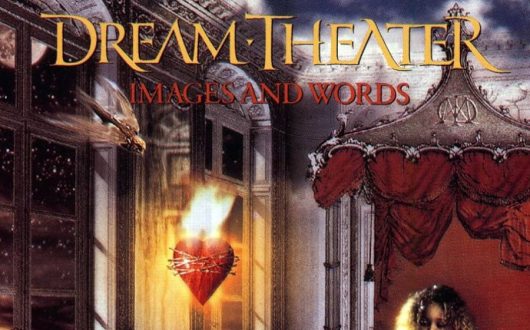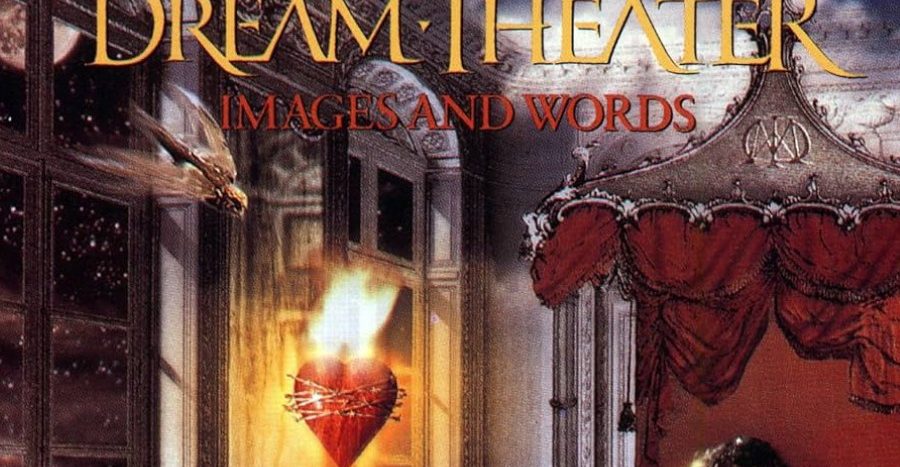
Dream Theater | ATCO Records | July 7, 1992
Line Up:
James LaBrie – Vocals John Petrucci – Guitars John Myung – Bass Kevin Moore – Keyboards Mike Portnoy – Drums, Backing Vocals
Production: David Prater – Producer Dream Theater – Co-producers Doug Oberkircher – Engineer Recorded: Bear Tracks Studio, Suffern, New York | 1991-1992
Tracklist:
Pull Me Under (8:14)
Another Day (4:23)
Take the Time (8:21)
Surrounded (5:30)
Metropolis—Part I: “The Miracle and the Sleeper” (9:32)
Under a Glass Moon (7:03)
Wait for Sleep (2:31)
Learning to Live (11:30)
You can criticize Dream Theater all you want—and in recent years they’ve faced particularly harsh scrutiny from fans of contemporary progressive styles—but there’s no denying the monumental significance of what five musicians accomplished in a New York studio during 1991 and 1992. Images and Words didn’t just succeed; it fundamentally altered the trajectory of rock music. Without this groundbreaking release, progressive metal might never have achieved the widespread popularity and cultural impact it enjoys today.
This record essentially set the blueprint for countless prog metal bands in the years that followed. Even now, Dream Theater imitators continue to emerge in staggering numbers, each attempting to capture some fraction of the magic contained within these eight compositions. What makes this achievement even more remarkable is that the band accomplished it entirely on their own terms, refusing to compromise their artistic vision despite the commercial pressures of the early 1990s music scene.
The sonic identity here represents a masterful synthesis—a mix between the occasional intricate speed of bands like Helloween (though Dream Theater doesn’t show it with much consistency) and the progressive sophistication of Queensrÿche. Yet Dream Theater’s trump card proved to be something neither of those bands possessed: healthy, sophisticated doses of keyboards courtesy of Kevin Moore, whose enchanting and ethereal textures add dimension that pure guitar-driven metal could never achieve.
Exceptional guitar and vocal work from John Petrucci and James LaBrie, respectively, provide the drawing factor. Petrucci’s extraordinarily skillful fretwork combines technical precision with melodic sensibility—he’s a shredder who understands that notes must serve songs, not egos. LaBrie’s emotional and powerful vocals bring accessibility to compositions that could’ve easily disappeared into self-indulgent complexity. His versatile and expressive abilities perfectly matched what these demanding musicians required.
John Myung’s sophisticated bass lines weave melodic counterpoint through arrangements that would overwhelm lesser players, while Mike Portnoy’s brilliantly inventive rhythmic patterns provide both foundation and fascination. His drumming throughout manages to be technically astounding while maintaining groove and feel—no small feat when navigating constant time signature shifts and tempo changes.
Images and Words manages to be both complex and elaborate—packed with breathtakingly technical musicianship—while remaining melodically captivating and surprisingly approachable. This delicate balance represents the album’s greatest achievement. Admittedly, some arrangements occasionally veer too disjointed, prioritizing complexity over simply rocking out, and certain passages feature perhaps slightly excessive keyboard dominance. These are minor complaints, however, against a disc that otherwise represents pure instrumental genius. If fast prog metal is your thing, this is absolutely a can’t-miss.
The creation wasn’t smooth. In 1990, vocalist Charlie Dominici departed after significant creative conflicts—Petrucci and Portnoy felt his singing style was excessively “commercial” and didn’t align with their vision. The search for his replacement proved exhausting, with roughly two hundred singers auditioning before they discovered LaBrie performing with Winter Rose. With LaBrie aboard, Dream Theater secured a deal with Atco Records and began developing fresh material.
Unfortunately, challenges persisted during recording. Producer David Prater frequently clashed with the band, pressuring them toward more mainstream, radio-friendly compositions and creating a hostile working environment. He repeatedly locked them out of the studio until they agreed to craft at least one potential hit single, and insisted that Portnoy incorporate trendy drum samples popular with bands like Firehouse and Bon Jovi at the time. The band originally envisioned a double album, but Prater convinced them otherwise—a decision that, in retrospect, served the material well. The epic twenty-minute composition “A Change of Seasons” was ultimately excluded, though it wouldn’t have fit the album’s overall character and atmosphere anyway.
Most crucially, Dream Theater succeeded in protecting their artistic integrity and creating the album they envisioned. Their determination paid off handsomely when “Pull Me Under” became a genuine hit with substantial MTV airplay—the band now jokingly acknowledges this as their only major commercial hit throughout their entire career, even titling their best-of compilation “Greatest Hit” (singular, not plural).
That chorus remains a great sing-along, but the building intro into it proves even better. When LaBrie and Petrucci finally come together with full force at 2:56, building toward the crown at 3:06 before rolling onward—you know it. You feel it. This is progressive metal achieving liftoff.
“Another Day” channels Queensrÿche-esque melodrama with LaBrie’s emotional delivery and Moore’s atmospheric keyboards creating genuine pathos. “Metropolis—Part I” (later revealed as merely the opening chapter of a decades-spanning narrative) showcases the band’s ability to navigate labyrinthine structures while maintaining momentum and melody. “Learning to Live,” the 11-minute closer, demonstrates the mature compositional skills that would define Dream Theater’s career—epic without excess, technical without pretension.
The Aftermath: Triumph, Turbulence, and Transformation
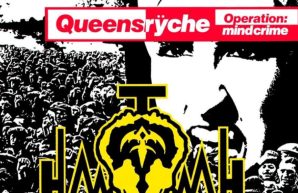
Some might point to Queensrÿche’s commercial triumph with Operation: Mindcrime as a comparable progressive success story. While that album deserves immense respect, their approach to progressive music was only partially realized. They incorporated intricate melodies and ambitious concepts, but their song structures typically remained conventional, and the band often followed existing trends rather than pioneering new directions. Images and Words achieved something more revolutionary—it didn’t just succeed within progressive metal; it legitimized the entire genre for mainstream audiences.
The album’s success launched Dream Theater into the progressive metal stratosphere. Awake (1994) expanded their sound into darker, heavier territory. Falling into Infinity (1997) saw Kevin Moore’s departure, replaced by Derek Sherinian, marking the first of many lineup changes that would plague the band. Mike Portnoy, the band’s chief lyricist and conceptual architect, became increasingly dominant in creative decisions.
The new millennium brought both creative peaks and growing tensions. Metropolis Pt. 2: Scenes from a Memory (1999) delivered a full-blown concept album sequel that many consider their masterpiece. Six Degrees of Inner Turbulence (2002) and Train of Thought (2003) proved the band’s creative well remained deep. Yet as the 2000s progressed, criticisms mounted: the albums were becoming too long, too technical, too self-indulgent, too predictable in their unpredictability.
The shock came in 2010 when Mike Portnoy—co-founder, creative engine, and seemingly irreplaceable drummer—departed following internal conflicts about taking a break. His replacement, Mike Mangini, brought different strengths but lacked Portnoy’s creative input and showmanship. The post-Portnoy era divided fans fiercely.
James LaBrie’s voice, meanwhile, became a persistent controversy. A severe food poisoning incident in 1994 damaged his vocal cords, and while he adapted admirably, he never fully recovered the range and power displayed on Images and Words. Internet critics savaged his live performances, often unfairly, though legitimate concerns about his diminishing abilities persisted as the years accumulated.
The 2010s and 2020s saw Dream Theater settling into elder statesman status. Albums like The Astonishing (2016)—a sprawling double concept album—demonstrated undiminished ambition if not universal acclaim. Distance Over Time (2019) and A View from the Top of the World (2021) found the band attempting to recapture earlier fire with mixed results.
John Petrucci assumed greater control following Portnoy’s departure, effectively becoming the band’s leader and primary creative director. The results proved competent but increasingly formulaic—technically impressive albums that somehow lacked the magic of Images and Words or Scenes from a Memory.
By the 2020s, Dream Theater had released fifteen studio albums, maintaining remarkable commercial success for such uncompromising music. They’d inspired countless imitators, spawned an entire subgenre, and influenced generations of musicians. Yet they’d also become somewhat predictable—the band that once revolutionized progressive metal now occasionally seemed trapped by their own legacy, their newer work evaluated not on its own merits but against the towering achievement of their youth.
The irony is rich: Images and Words succeeded precisely because it balanced accessibility with complexity, melody with technicality, ambition with restraint. Later Dream Theater albums often tipped too far toward the complex and technical, forgetting the melodic hooks and emotional accessibility that made this album an instant classic.
Nearly every track here has achieved iconic status, considered essential rock classics decades after release. LaBrie’s vocals, Petrucci’s guitar work, Myung’s bass lines, Moore’s keyboard textures, and Portnoy’s rhythmic inventiveness combined perfectly to create something genuinely remarkable and strikingly beautiful—an album with elegant, refined atmosphere and countless innovative compositional choices that continue to amaze.
This album instantly converted skeptics into devoted Dream Theater fans from the very first listen. That conversion rate hasn’t diminished across three decades. That’s the true power of Images and Words—a landmark recording that fundamentally transformed rock music and created a blueprint still being followed today.
The legacy stands untarnished by whatever came after. This is progressive metal’s most important album, the genre’s commercial and artistic apex achieved simultaneously. Rather than discussing it further, just experience it for yourself immediately.
Written by: Shadow Editor
Ratings: 10/10
Editors Pick 
About Author